Navigating Meals at Social Gatherings
February 2026
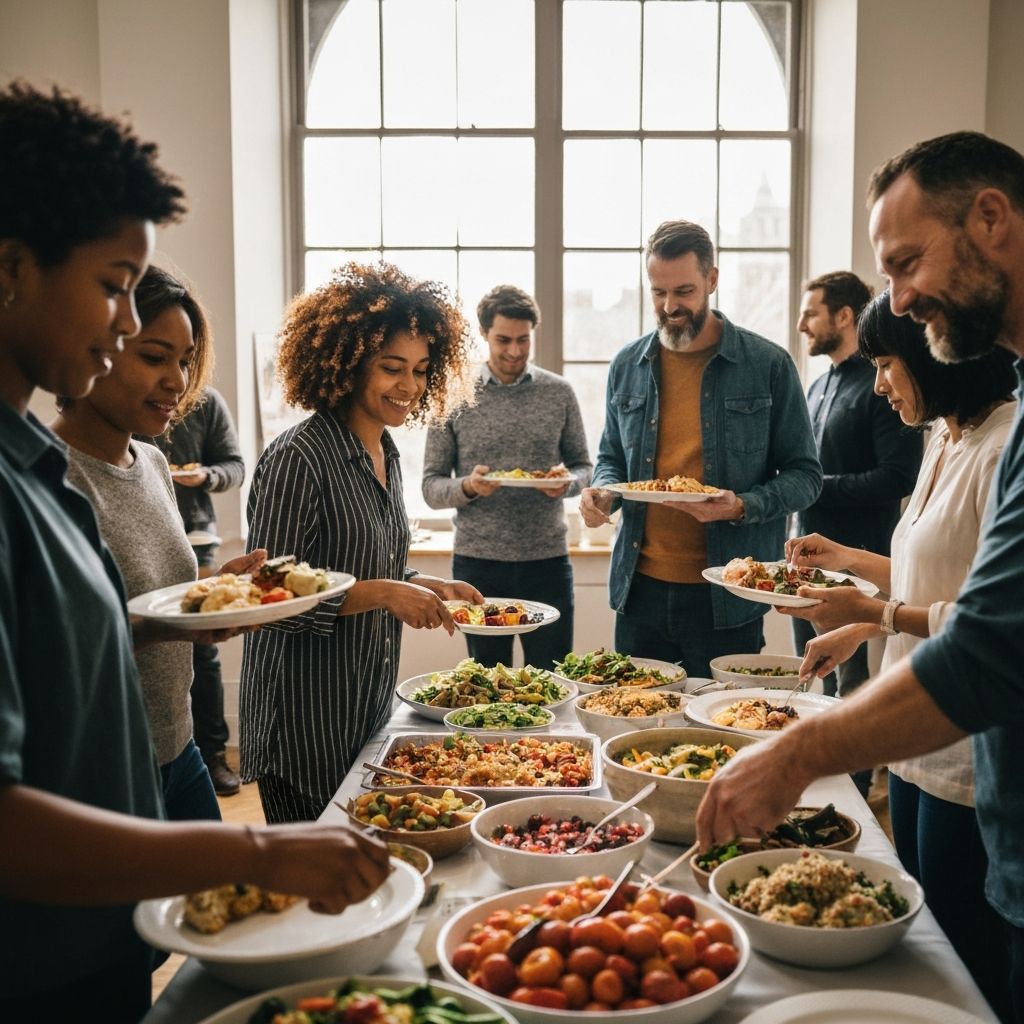
Social gatherings present diverse food environments that vary significantly based on the type of event, cultural context, and individual preferences. Understanding these factors can provide educational insight into how food choices at events relate to broader nutritional patterns.
The Social Context of Eating
Eating at social events differs from routine daily meals in several ways. The setting often includes a wider variety of foods, different serving styles such as buffets or plated meals, and social dynamics that influence eating patterns. These factors create a unique environment for food selection.
Research in nutritional anthropology describes how social eating occasions have historically served multiple functions beyond nutrition, including community building, celebration, and cultural expression. Modern social events continue to reflect these diverse purposes.
Factors Influencing Food Selection
Multiple factors can influence what individuals select at social gatherings:
- Availability and variety of food options presented
- Familiarity with different types of dishes
- Cultural and personal food preferences
- Social setting and interaction patterns
- Time of day and previous eating occasions
- Individual hunger and satiety signals
These factors interact in complex ways, and no single factor determines food choices in isolation. Understanding this complexity is part of nutritional education.
Types of Food Commonly Available
Social gatherings typically feature various categories of foods. Common examples include vegetable-based dishes such as salads and roasted vegetables, protein sources including legumes, fish, poultry, and meat, grain-based items like bread, pasta, and rice, dairy products, and desserts.
The nutritional composition of these foods varies considerably. Vegetables and fruits generally provide vitamins, minerals, and fiber. Protein sources contribute amino acids necessary for various bodily functions. Whole grains offer complex carbohydrates and additional fiber. Understanding these general categories is an educational foundation, not a prescription for specific choices.
Eating Patterns at Events
Different eating patterns emerge at social events. Some individuals may consume smaller amounts of many different items to experience variety. Others might focus on familiar foods or particular categories that align with their usual preferences. Neither approach is inherently better, as individual circumstances and preferences vary widely.
The timing of social events also influences eating patterns. An afternoon gathering might involve lighter fare, while an evening event often includes more substantial meals. How these occasions fit into daily eating patterns depends on numerous individual factors.
Relationship to Daily Nutrition
Social eating occasions are part of overall daily and weekly eating patterns. Some nutritional frameworks suggest considering nutritional balance across days or weeks rather than focusing on individual meals or occasions. This perspective views social events as one component of a broader pattern.
However, approaches to thinking about nutrition vary among different schools of thought. Some emphasize meal-by-meal considerations, while others take longer-term views. These are conceptual frameworks for understanding nutrition, not prescriptive rules.
Educational Perspective
From an educational standpoint, social gatherings provide opportunities to observe how food, nutrition, culture, and social interaction intersect. Understanding these connections can enhance general knowledge about nutrition without implying specific actions or outcomes.
Different individuals navigate social eating situations in diverse ways based on their circumstances, preferences, and values. This diversity reflects the complexity of human eating behavior and the absence of universal solutions applicable to all situations.
Limitations and Context
This article provides educational information only. It does not offer personalized advice or recommendations for specific situations. Individual nutritional needs and circumstances vary significantly based on numerous factors including health status, lifestyle, cultural background, and personal preferences.
Readers seeking guidance for their individual circumstances should consult with qualified professionals. This content does not replace professional consultation or assessment.
No outcomes or results are promised or guaranteed from the information provided in this article. The content is presented for informational and educational purposes only.